TL;DR
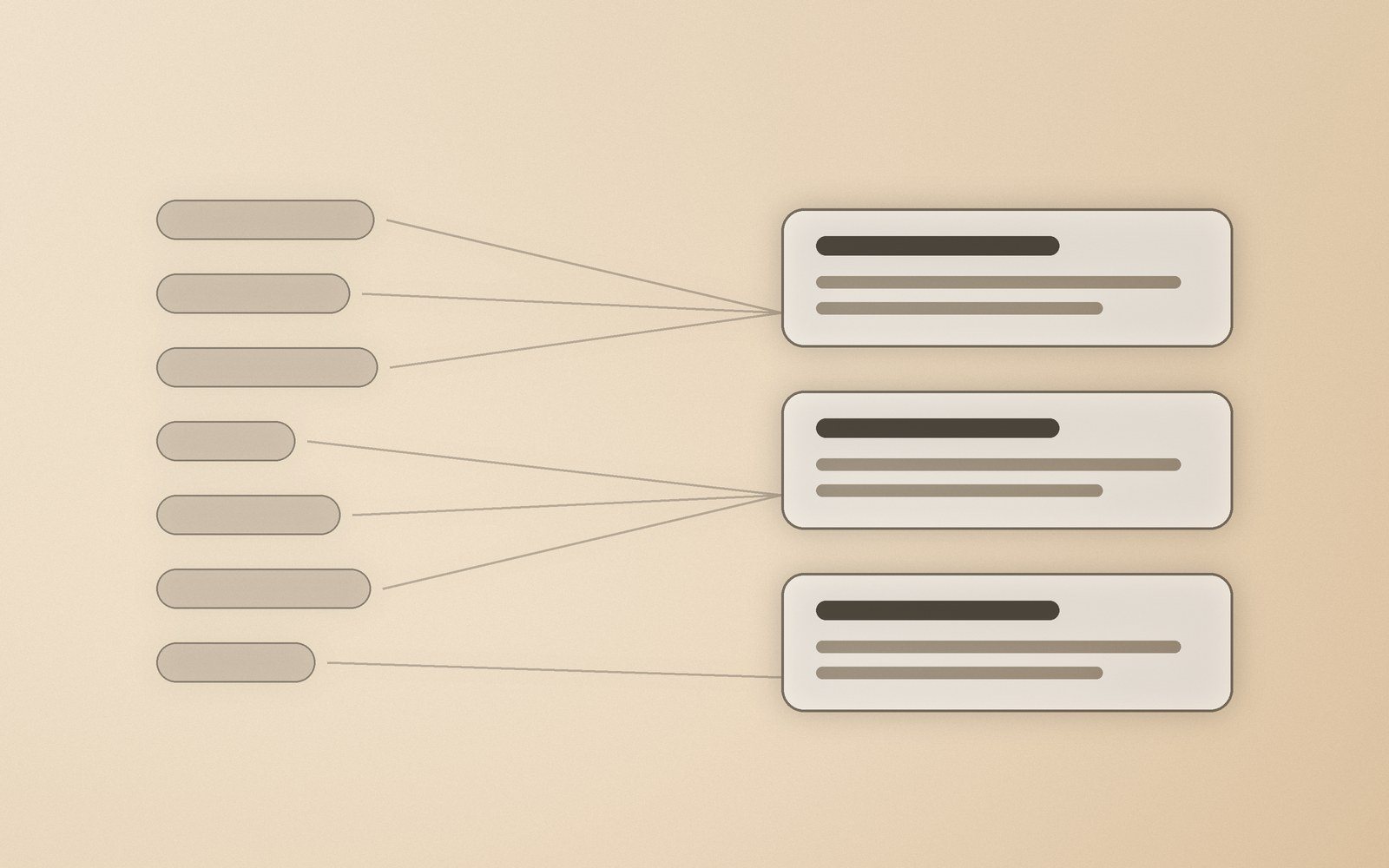
- SaaS buyers search the problem first and your product name last.
- Five page types do most of the work: product, use case, comparison, integration and problem-led guides.
- Bottom-of-funnel pages pay back first; blog posts support them.
- Keep app and staging pages out of Google and decide on purpose about docs.
- Measure demos and pipeline from organic, not sessions alone.
Most SaaS blogs grow traffic that never books a demo. The posts rank, the charts go up, and sales still asks where the leads are.
SEO for SaaS works when every page has a job in the buying journey. Here are the page types that drive demos, the technical traps specific to SaaS and the mistakes that waste the most time. It's the backbone of every SEO content strategy I build.
Why SEO for SaaS is different
Buyers search the problem, not your name
Before buyers know your category exists, they search the pain: "automate invoice approvals", "reduce onboarding churn". Those non-branded searches are where new pipeline comes from.
Many readers, one decision
B2B software is bought by a group. The champion, the budget owner and the technical reviewer all search, for different things. More on that in this B2B SEO strategy guide.
Results show up in pipeline, months later
A buyer might read a guide in March and book a demo in June. Last-click reports miss most of that, so SaaS SEO needs patience and the right measures from day one.
A SaaS SEO strategy built on 5 page types
Forget the publishing calendar for a moment. Start from the pages a buyer needs on the way to a demo, then fill the gaps.
1Product and feature pages
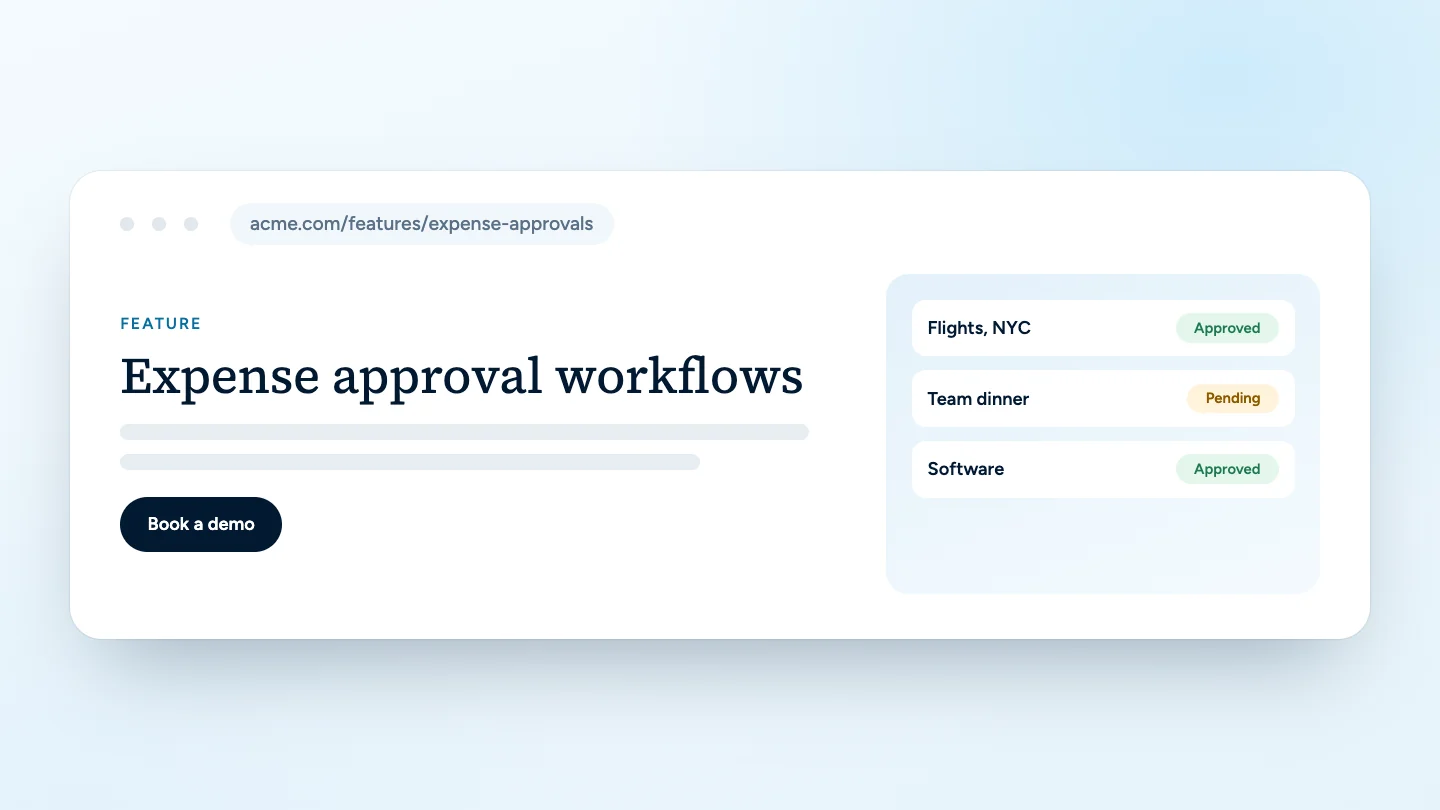
Give each core feature its own page, named the way buyers search for it, not by your internal name. "Expense approval workflows" beats "FlowEngine".
These pages convert best, so give them depth: screenshots, who it's for, how it works and a clear next step.
2Use-case and industry pages
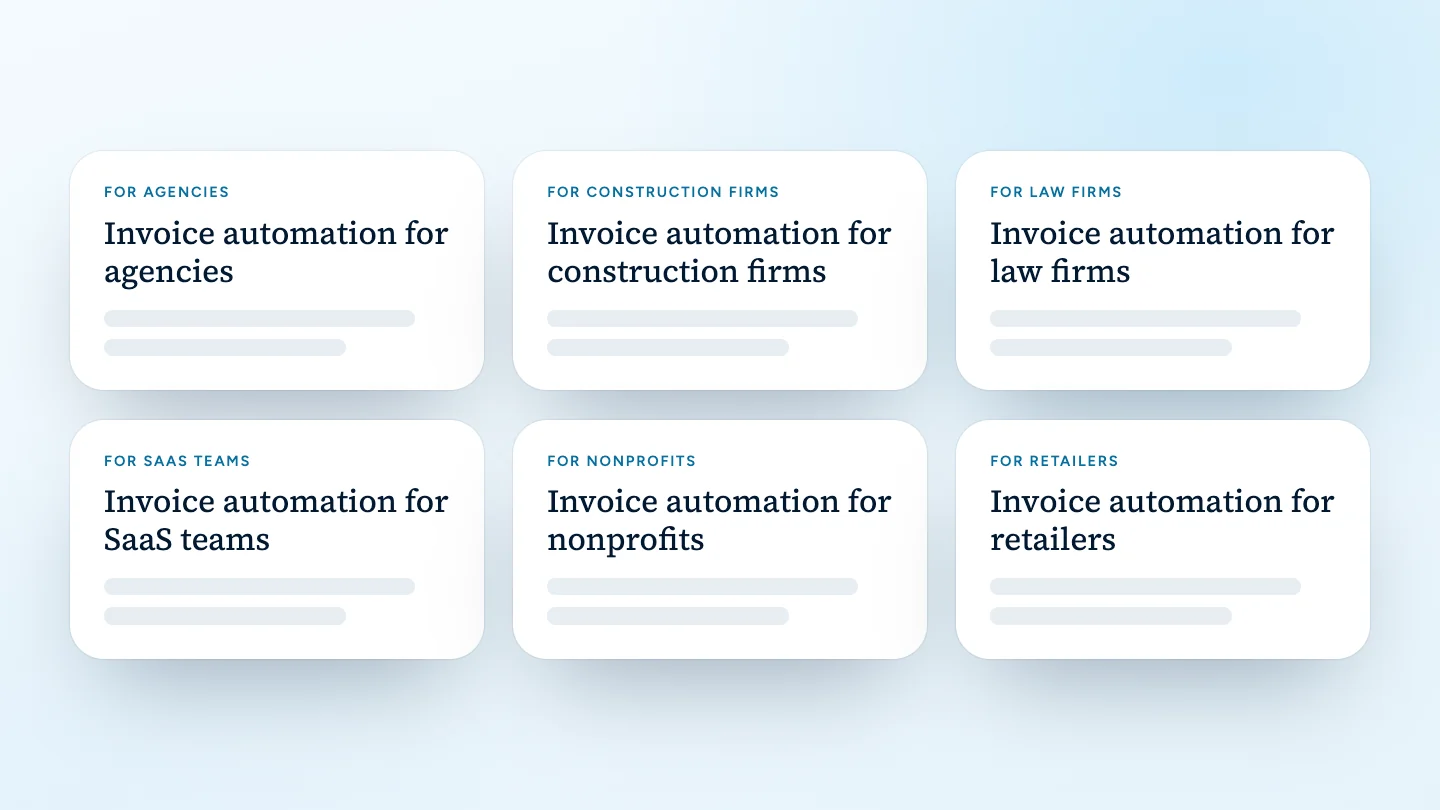
"Invoice automation for agencies", "for construction firms". Each speaks to one team or problem and ranks for searches your homepage never will.
Only build one where you have something specific to say: a workflow, a customer story or a feature that matters there.
3Comparison and alternatives pages
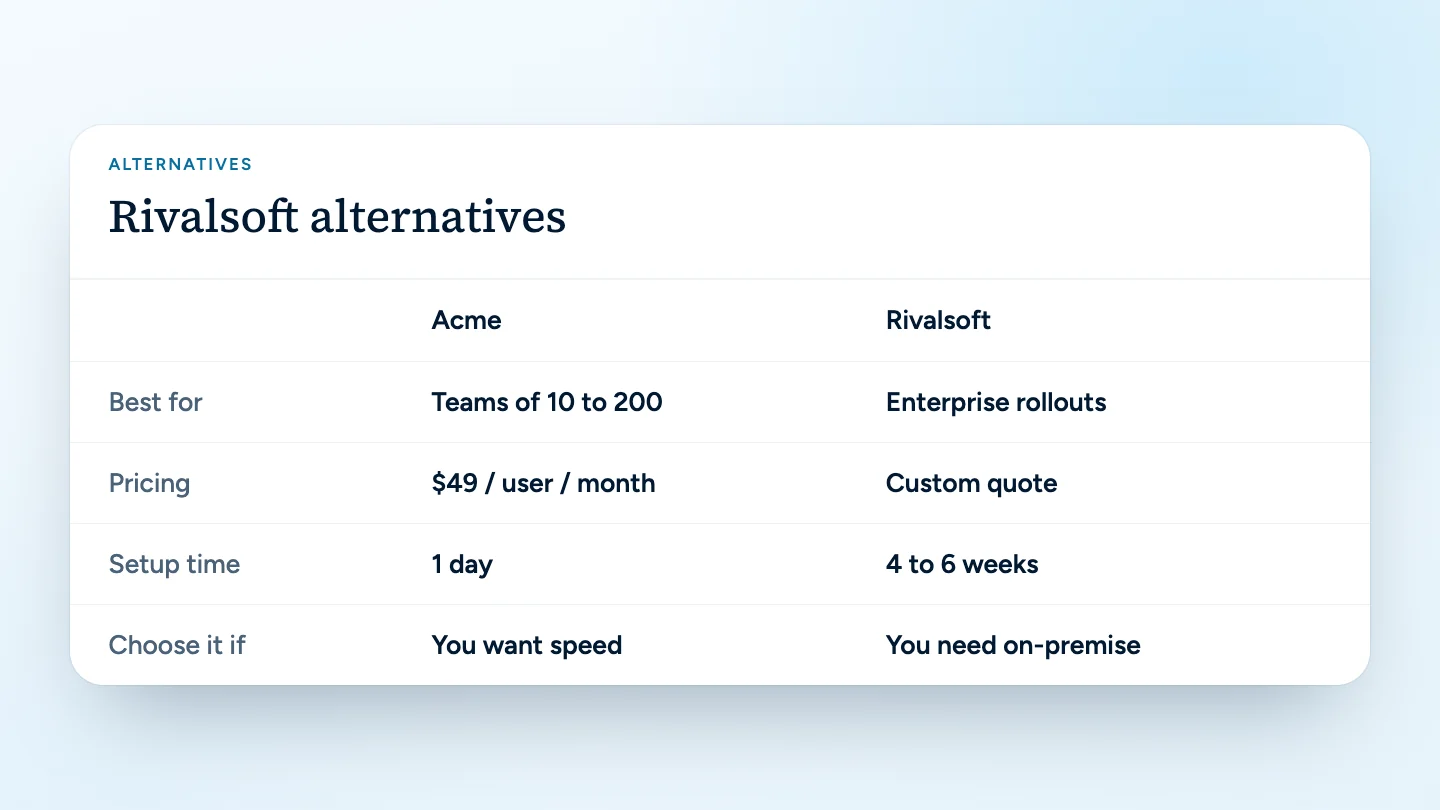
"X vs Y" and "X alternatives" searches come from buyers close to a decision. If you don't write these pages, a review site or a competitor will.
Be fair and say who the other tool suits. Honest comparisons convert better, and they're the pages AI answers like to cite.
4Integration pages
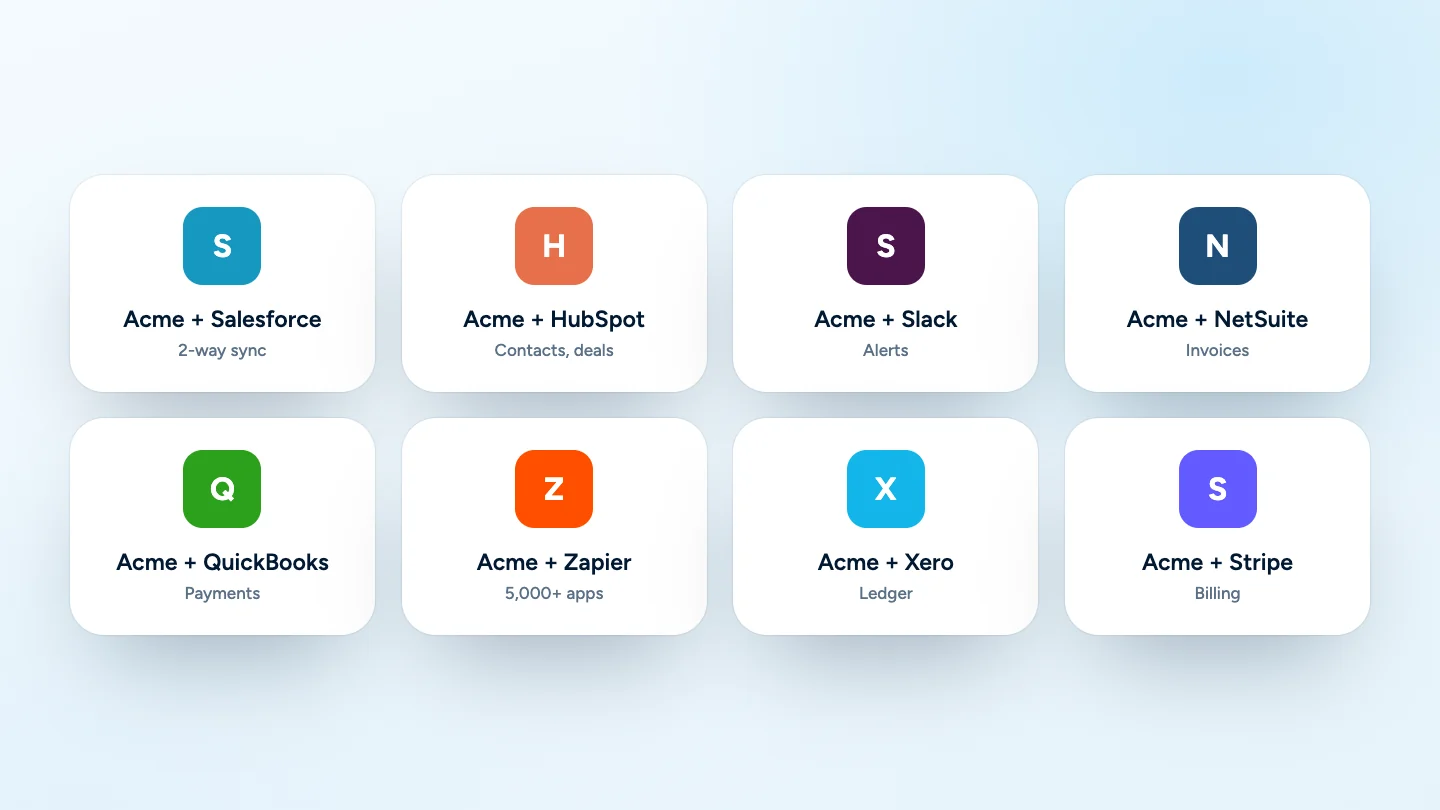
Buyers search "your category plus Salesforce". One page per integration catches them, and those pages suit programmatic SEO once you have dozens.
Each needs real detail: what syncs, setup steps and limits. A logo and one sentence won't get indexed.
5Problem-led guides
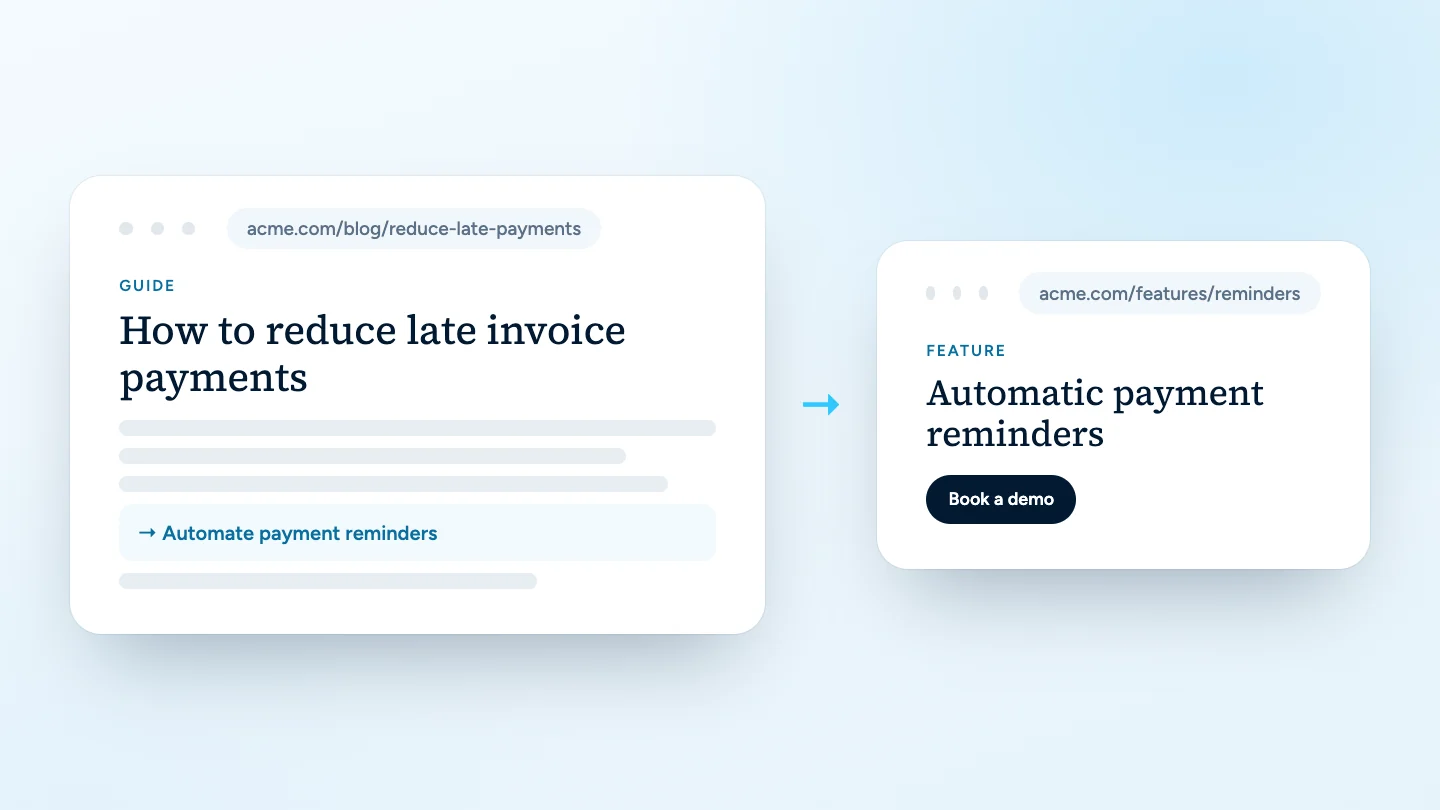
These are your blog posts, written around problems your product solves, each linking to the page that solves it. Pick topics with real keyword research, not guesses.
A guide that leads nowhere is a traffic report, not a pipeline source. Every guide needs a next page.
Technical SEO for SaaS: app, docs and subdomains
SaaS sites mix marketing pages with a logged-in app, a help center and docs, often on separate subdomains and platforms. Each one can leak into Google or get in its way.
- Noindex or block app pages that sit behind a login.
- Decide whether docs should rank. Good docs win long-tail searches; stale ones compete with marketing pages.
- Keep staging and preview builds private.
My technical SEO checklist covers the full set of checks, in the order I run them.
SEO for SaaS startups with no authority yet
A new domain won't rank for "project management software" this year. Aim for narrow, high-intent searches where big players have no specific page: niche use cases, integrations and comparisons.
Ten pages that each answer one buying question beat fifty generic posts. If you need demos this quarter, weigh organic vs paid traffic before you commit the budget.
Links come easier than you'd think at this stage: integration partners, customers and launch directories will link to a young product. Ask for them on purpose.
How AI answers change SaaS SEO
Buyers now ask ChatGPT and Google's AI answers for shortlists before they click anything. The pages those answers quote are the same ones this strategy builds: clear feature pages, honest comparisons and integrations with real detail.
Two extras help: state your key facts the same way everywhere, and earn mentions on the review sites and communities AI tools cite. That's the core of AI search visibility work, and it compounds with classic SEO.
A SaaS SEO checklist for your first 90 days
- Weeks 1 to 2: fix indexing, robots rules and app pages leaking into Google.
- Weeks 3 to 4: list the buying questions from sales calls and map them to the five page types.
- Month 2: rebuild or write the product, comparison and use-case pages with the most demand.
- Month 3: publish the first problem-led guides, each linking to one of those pages.
Resist starting with the blog. It's the slowest page type to pay back and the easiest to overproduce.
How to measure SaaS SEO
Sessions tell you if people arrive, not if they buy. Track a short list instead, every month, the same way:
- Demos and pipeline from organic, tagged by the first page visited.
- Non-branded clicks to product, use-case and comparison pages.
- Rankings for your 20 most valuable searches, not hundreds of vanity terms.
SaaS SEO mistakes that cost the most
- Writing for traffic, not buyers: top-of-funnel posts with no path to a product page.
- Naming pages after internal jargon that nobody searches for.
- One page per keyword instead of one per intent, so your own pages compete.
- Redesigning without a redirect map, which can wipe out years of rankings overnight, often unnoticed until pipeline drops.
SaaS SEO FAQs
How long does SEO take for a SaaS company?
Expect first movement in two to three months and meaningful pipeline in six to twelve, depending on your domain and how competitive the category is.
Should a SaaS company have a blog?
Yes, if each post targets a real problem your buyers search for and links to the page that solves it. Publishing for volume rarely pays.
Is SEO or paid search better for SaaS?
Paid search is faster for tests and launches. SEO costs less per lead over time. Most SaaS teams need both, weighted by stage and budget.
How should SaaS SEO results be measured?
By demos and pipeline from organic search, plus non-branded clicks to product and comparison pages. Sessions alone hide whether SEO works.
Should SaaS docs be indexed by Google?
Usually, yes, if they're current. Docs rank for specific how-to searches. Noindex outdated versions and pages that duplicate your marketing site.

I help B2B and B2C companies grow non-branded traffic from Google and AI answers: technical SEO, programmatic SEO and content strategy, done hands-on. Based in Mendoza, Argentina, working with teams in the US and LATAM.
Connect on LinkedIn